Influences of Classical Music on the Brain Development of a Baby
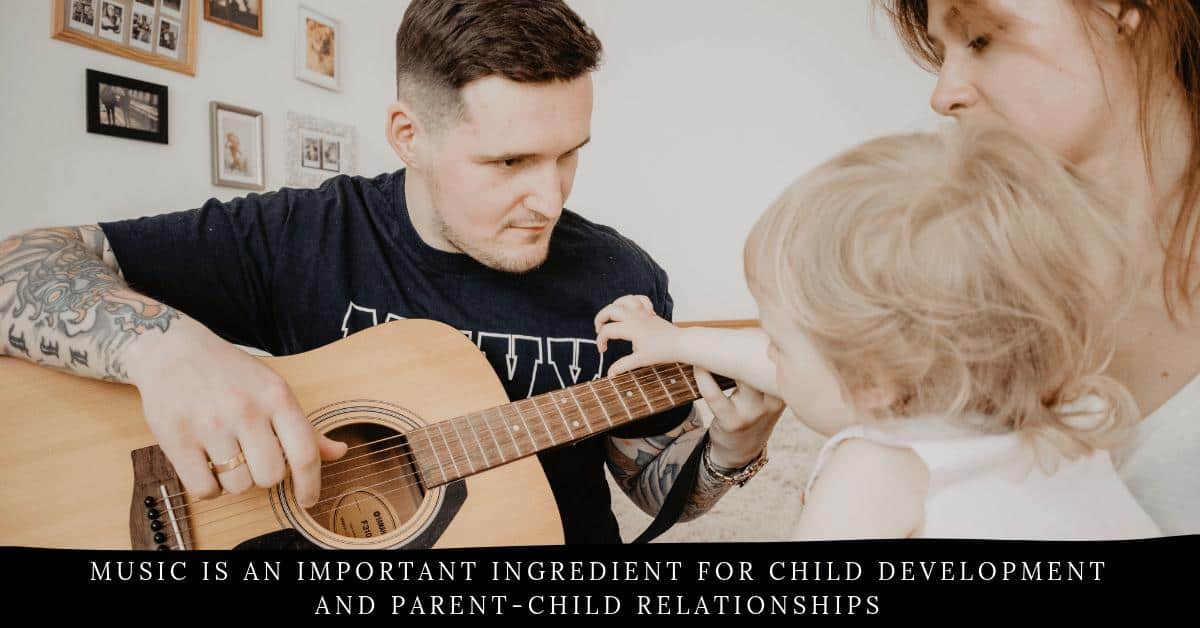
Several contempo articles in scientific journals point to the broad range of significant effects that learning and listening to music has on the brain development of children and adolescents. Other studies reveal that when parents share musical experiences with children and teens, including listening and/or dancing to music, too every bit singing songs together, information technology has a positive outcome on parent-child relationships.
Music's Effects on Brain Evolution
Based on the use of various neuroimaging techniques, research shows how early music preparation (before the age of vii) produces actual physical changes in encephalon structure and function.
One study found an increase in the white matter in the corpus callosum (the switchboard in the center of the brain) which results in increased brain connectivity. Einstein learned to play the violin every bit a young child, and a written report of his brain showed unusually strong connections.
Another contempo study determined that early musical training increased the greyness affair in the cerebral cortex, particularly in the sensory-motor expanse of the encephalon. The improved coordination this produces was also plant to improve emotional regulation and the power to inhibit responses to events. This, of course, enhances a kid's ability to handle frustration and avert over-reacting to difficult situations.
All the same another finding from neuroimaging was that even cursory musical grooming results in an increment in blood menstruation in the left side of the brain. This is thought to outcome in improved linguistic communication processing ability.
In March 2018 at the National Institutes of Health Kennedy Heart Workshop on Music and the Encephalon, a panel of scientists highlighted inquiry findings showing that from infancy, children are responsive to listening to music, and the feel significantly contributes to linguistic communication development. The grouping besides noted that in addition to promoting language development, music has a positive issue on the development of other cerebral functions including attention, visual-spatial perception, and executive role.
Due to an increased interest in the relationship between music and brain function, a new field of report known as neuromusicology was created. Using brain imaging techniques in research conducted over the past few years resulted in the conclusion that music activates every known part of the encephalon. This applies to all of us when nosotros listen to music. For musicians, the human activity of playing an instrument non simply activates the brain but also influences encephalon development. In general, the brains of musicians are larger, and more extensively connected than those of the general population. They also have a superior working memory, auditory skills, and cerebral flexibility. All of these brain functions are enhanced due to neuroplasticity. This miracle, but stated, is that active and passive activeness over fourth dimension "rewires" the brain by either forming and/or strengthening existing circuits or forming new neurons.
Music'due south Furnishings on Academic Success
At the World Conference on Learning, Teaching and Educational Leadership held in 2012, research studies from multiple sources were shared. For a while now, music has been thought to provide an effective experience in schools for children to develop listening skills as well as for children with learning difficulties. A child's active date in music can have many positive effects, including:
- Perceptual, language and literacy skills
- Numeracy
- Intellectual development
- Attention and concentration
- Concrete evolution and wellness
Music'south Touch on Social and Emotional Development
Playing an instrument tin lead to a sense of achievement likewise as an increase in self-esteem. Further advantages tin can include increased confidence, persistence in overcoming frustrations when learning is hard, and cocky-discipline.
Working with the Miami Music Project, the Florida International University's Community Based Research Constitute conducted a report which looked at how school group music programs affected the "5 C'due south" of social development: competence, conviction, caring, graphic symbol and connection. The study followed 180 children, ages 8 to 17 years-old for a period of iii years. These kids were participating in an orchestra model of music instruction. The results presented in Feb 2019 institute that these students showed meaning increases in all of the "5 C's."
To larn more almost how music affects the brain, lookout man this video where Nina Kraus-Hugh Knowles, Professor of Neurobiology, Physiology and Communication Sciences at Northwestern University—describes the powerful neurobiological roots of music held in the deepest regions of our brainstem.
Starting Music Lessons at an Early Historic period Reaps Big Benefits
Listening to music at any historic period is benign, every bit is learning to play a musical instrument (even as an adult), which can outcome in personal satisfaction and positive changes in brain functioning. However, the current consensus of the experts is that maximum benefits are attained when musical training begins before the age of 7.
Parents are condign more in tune with providing exposure to music early on. Earphones for the belly are at present available so moms can allow their baby start listening to music before they are born. Singing to your baby and providing admission to unproblematic toys that make musical sounds are a good starting time (more nearly singing to and with kids later). Providing toddlers with musical toys and playing along with them exposes children to the cause and effect of making sounds and they can learn to play elementary toons.
Several programs provide an introduction of music instruction for preschoolers which include participation past parents. My wife and I beloved music, and we exposed both of our children to music early. I remember coming home from work one twenty-four hour period and finding my wife lying on the burrow with the stereo headphones on her abdomen. She said, "I'm giving him/her some culture." Both of our kids as well participated in early music programs, and we played along with them. They both can play several musical instruments. My daughter besides sang in choirs for years and is using music in her piece of work teaching special education students. My son works in the film/idiot box industry every bit an editor and at present, after getting advanced training in music, is doing orchestration and composing for movie.
Two outstanding music programs offer classes and lessons for immature children with locations throughout the United States:
Music Together provides music and movement classes for babies, toddlers, preschoolers, and parents. You lot'll learn lots of means to interact musically with your infant. They also offer family classes that include Mixed-Age, Babies, and Big Kids classes for children, parents, and caregivers. Music Together classes can be found at contained centers and in school settings in more than 3,000 communities around the earth.
The Yamaha Music Schools provide music instruction for children and adults, starting at the preschool level. Preschoolers larn to play tunes on the keyboard, only in the group course, they are too are cleverly taught basic music theory. In the preschool class, parents are actively involved. Kids who proceed in the program through Junior Advanced Class (eight–ix) become not only expert in playing i or more instruments merely can compose equally well.
If you're unable to find one of these programs bachelor nigh you, another option is Lessonface, which offers online music lessons for children. Lessonface pre-screens music teachers in a large diverseness of instruments. You can easily book lessons for i or multiple children. Lessons happen over alive (two-way) video conference. Parents can sit in (and are encouraged to) and observe the alive lessons.
Sharing Musical Moments with Your Kids Will Improve Your Human relationship
A research article published in the Journal of Family Communication in 2018 plant that parent-child musical engagement with children and teens improved the relationship between parents and their children, particularly in the area of empathy and social interactions. Participating in music such every bit dancing or singing together requires synchronization.
Fifty-fifty simply listening to music activates areas of the brain associated with empathy, positive feelings, and pleasure. Neuroscientific research has institute that listening to music results in the release of dopamine, the neurotransmitter that activates the pleasance center of the brain.
You could say that participating in a musical activeness together makes the participants more than in tune with 1 another. This synchronization goes beyond the musical experiences to everyday life. Other research indicates that the development of empathy during childhood leads to prosocial behavior including cooperation and improved social interactions.
In that location are many means parents and children tin can interact musically.
Singing frequently starts with parents singing a lullaby to their baby. Parents are encouraged to sing oft to their babies and young children. Singing to infants and toddlers not only instills bonding, but it's also vital to language evolution. With older children, you tin can sing along with them. Singing together gets you in sync with each other. Find fun songs you can learn to sing together one on one and with the whole family. Singing is a great activeness for road trips, campfires and family unit nights. Here are some lists of songs you and your kids might enjoy singing together:
- 10 Funny Songs to Sing With Your Kids
- 100 Sing-Along Favorites for Kids
- 16 Family unit-Friendly Songs That Won't Bulldoze You Crazy
Dancing with kids tin showtime with you picking up your infant, property her close, and singing and dancing around the room. With a toddler, it could begin with "Band Around the Rosy." Expect for songs your children like, and sing and dance along with the vocal. With school-age kids, permit them teach you to dance with songs you both bask. Oldies are often a hit with all ages. Be silly and have fun. Follow this link for some ideas for dancing with kids' music from Amazon.com. With your teens, again let them teach new dances to you, or the whole family unit could take up line dancing! Some other idea is to get a workout video for kids and exercise together while also encouraging them to piece of work out on their own. This is an fantabulous substitute for screen time while boosting concrete fettle.
Listening to Music Together is great fun likewise. Find your favorite tunes and relish. Try new music. Introduce your kids to listening to classical music at dwelling house. YouTube has some fantastic videos to introduce kids of all ages to classical music.
Going to a Concert Together is a wonderful manner to spend some special time with your kids. If your customs has a symphony orchestra nearby, many of them provide special programs for kids to innovate them to the classics. These programs are fun and ordinarily are meant for kids and parents to attend together. Wait for concerts for other types of music such as popular and state to attend with older children and teens.
Learning to Play an Instrument Together is an activity to consider for you lot and your child. Your participation would exist a motivator for your child, and enquiry shows that evolvement in music benefits cognitive performance and social/emotional skills for adults equally well. This could become a shared hobby/interest, and you could play duets together.
Singing in a Choir Together can be some other way to share an action with your teen. If you both similar to sing, you should consider joining a church or community choir. When I was in high school, I sang in a church building choir and thought it was absurd when my dad joined. It brought us closer together.
Music has proven to be positive for development and as a joint activity. In my upcoming book, The Well-Balanced Family: How to Reduce Screen Time and Increase Family Fun, Fettle and Connectedness, I devote a whole department on the concept of connectedness. Connection creates a sense of belonging also as feeling safe and secure. The nuts include engaging in fun and meaningful activities, creating moments of close personal one-on-one time, developing family traditions, and providing personal space when needed. Sharing musical experiences with children fits in with two key ways to improve connectedness—play and family activities.
Source: https://childdevelopmentinfo.com/development/music-is-an-important-ingredient-for-child-development-and-parent-child-relationships/
0 Response to "Influences of Classical Music on the Brain Development of a Baby"
Postar um comentário